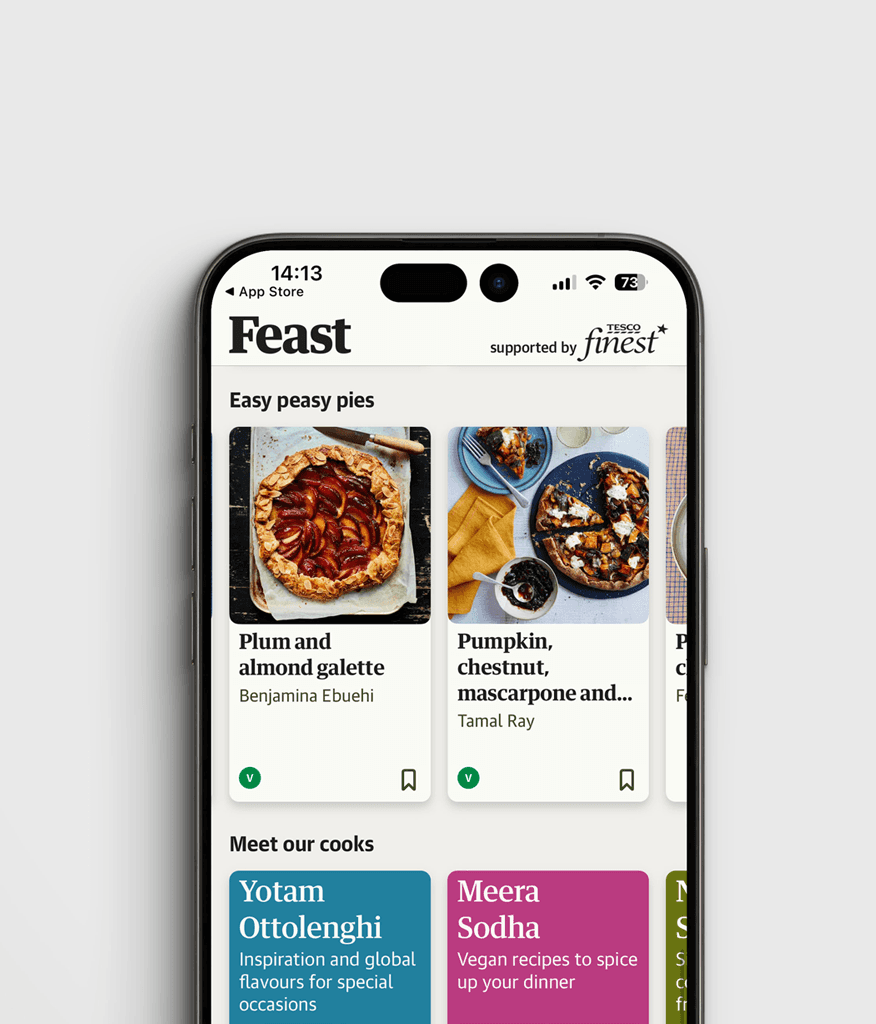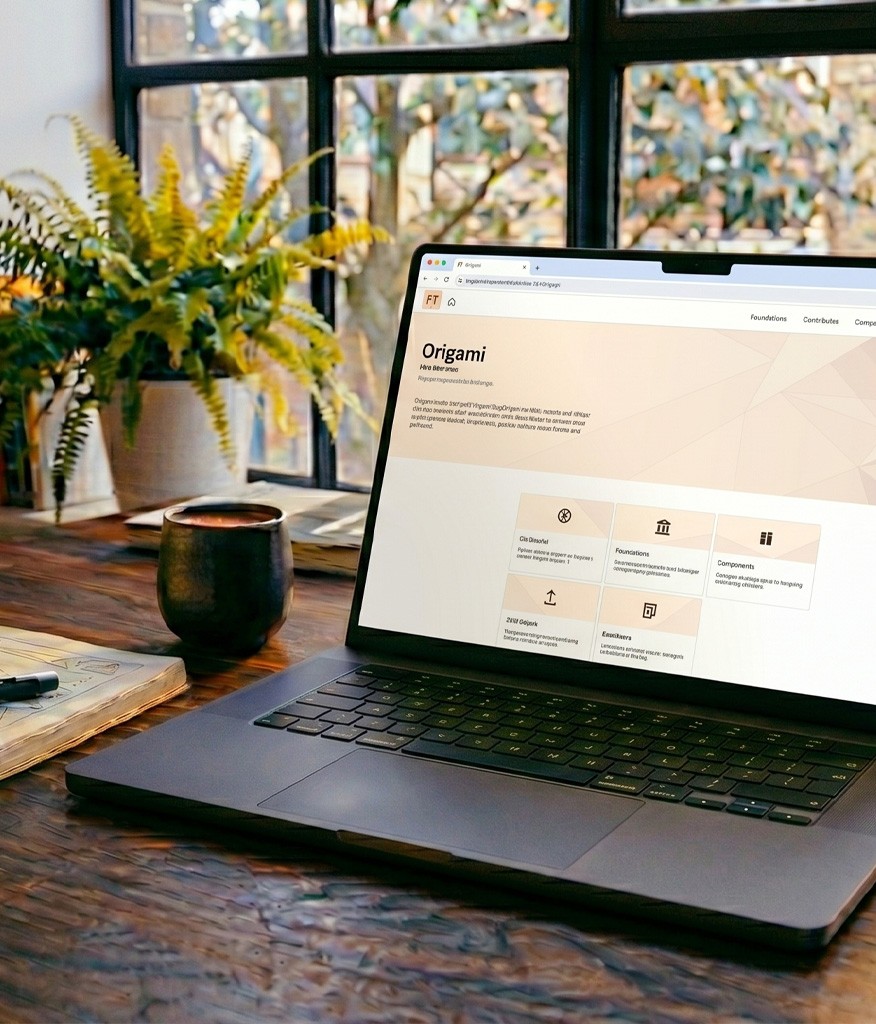
Origami is the Financial Times’ design system, providing the shared foundations, components and guidance used across its digital products. As the organisation evolved, product teams were working across more products, platforms and customer journeys, creating increasing pressure to deliver quickly while maintaining quality and consistency. My role has been to evolve Origami from a component library into a product in its own right. Rather than measuring success by the number of components we shipped, we focused on creating a usable core: the smallest set of foundations, components and patterns teams need to deliver real product work with confidence. Over the last year, I’ve helped define Origami’s mission, roadmap and contribution model, launched a new documentation platform in Zeroheight and strengthened collaboration between design, engineering and product teams. This work has helped position Origami as shared infrastructure for product delivery, reducing duplication, improving consistency and giving teams greater confidence to build at scale.


Discover
The first step was understanding how teams experienced Origami in practice. Through audits, workshops, guild sessions and conversations with designers, engineers and product teams, a consistent picture emerged. Origami was widely used and respected, but teams often struggled to understand where to contribute, how work was prioritised and which parts of the system they could rely on. Documentation was spread across multiple locations, contribution processes lacked clarity and expectations around governance varied between teams. At the same time, organisational changes increased the need for shared foundations that could support quality and consistency without becoming a bottleneck.
Define
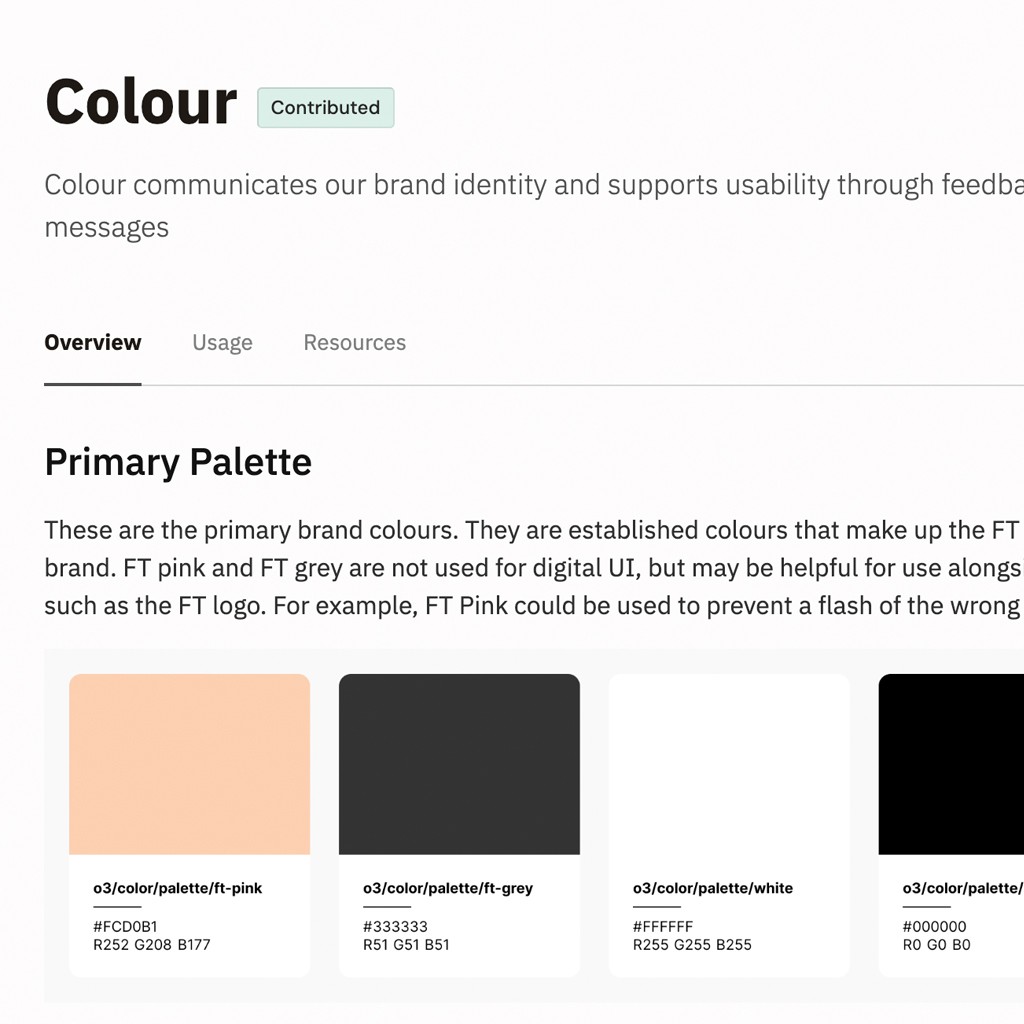
Rather than trying to build everything at once, we focused on defining a usable core. This meant identifying the 20% of foundations, components and patterns that would unlock 80% of the value for teams. We prioritised work based on product demand, reuse potential and system impact, ensuring Origami supported real delivery challenges rather than building speculative inventory. Alongside this, we established clearer principles for governance, contribution and documentation, creating a shared understanding of quality across design and engineering.

Develop
We focused on improving both the system itself and the experience around it. A new Zeroheight platform brought documentation, guidance and principles together in a single location, removing a key bottleneck and making it easier for teams to contribute. Combined with a structured contribution model and improved Figma guidance, this enabled a more federated approach to growing the system, allowing designers across the FT to contribute while maintaining quality and consistency. Alongside this work, we explored responsive grids, mobile-first principles, accessibility, design tokens and AI-supported approaches to documentation and discovery, helping ensure Origami could support the FT's future as well as its present.
Deliver
Origami is now operating more like a product and less like a collection of assets. Teams have clearer routes for contribution, stronger documentation and a better understanding of how the system supports their work. Collaboration between design and engineering has improved, and Origami has a clearer strategic role within the organisation. Most importantly, the idea of a usable core has given the FT a practical way to scale product delivery. By focusing on the foundations that matter most, rather than trying to boil the ocean, Origami is becoming shared infrastructure that helps teams deliver consistent, accessible and high-quality experiences with less reinvention.